What Is a Hose Bib and Why Should Homeowners Pay Attention to It?
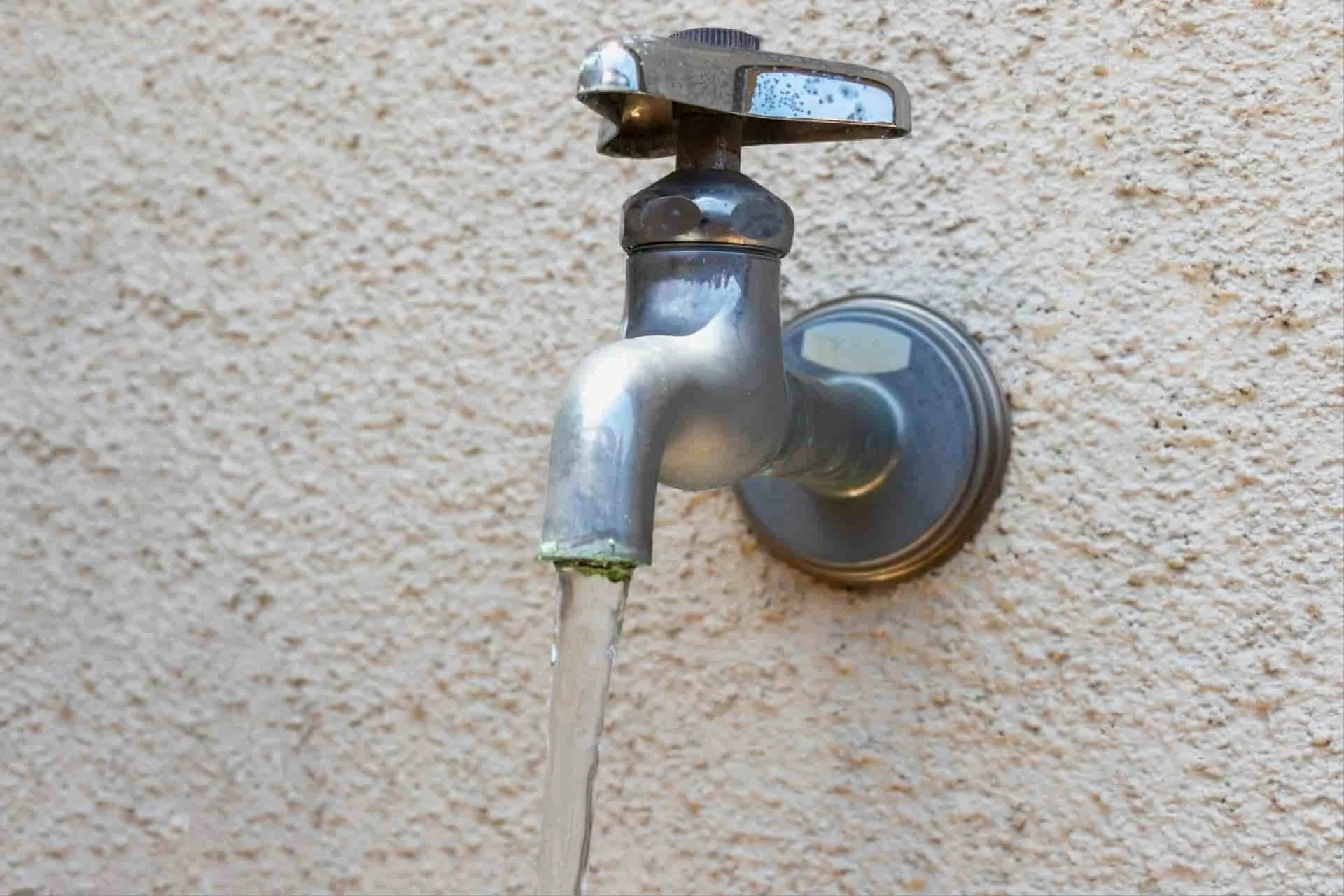
A hose bib is the outdoor faucet on the exterior of your home where you connect a garden hose, sometimes called a spigot, sillcock, or outdoor tap. It is the valve that controls the water flowing outside your house for watering the lawn, washing the car, or rinsing off after a trip to the beach. Homeowners should pay attention to it because a hose bib is one of the most exposed and overlooked parts of your plumbing, sitting outside in the weather where leaks, freeze damage, and backflow problems can quietly start. A small drip or a worn part can waste water, raise your bill, and, in some cases, even allow outdoor water to flow back into your drinking supply. A few minutes of attention a couple of times a year can prevent some surprisingly expensive repairs.
What Exactly Does a Hose Bib Do?
At its simplest, a hose bib is a shutoff valve that gives you access to your home's water supply outdoors. When you turn the handle, it opens a valve inside the fixture and lets pressurized water flow out to your hose or fill a bucket. It connects through your exterior wall to the plumbing inside your home, which is why a problem at the hose bib is really a problem with your home's water system, not just a standalone outdoor tap. Most homes around Hampstead and Surf City have at least one, and many have two or more for convenience. Because it is the gateway between your indoor plumbing and the outdoors, it does more important work than its simple appearance suggests.
What Are the Common Types of Hose Bibs?
There are a few styles, and knowing which one you have is helpful. A standard hose bib has a short valve right at the wall, which works fine, but can be vulnerable to freezing in cold snaps because water sits close to the outside. A frost-free or freeze-proof hose bib has a longer stem that shuts the water off deeper inside the warm wall of your home, which greatly reduces the risk of freeze damage. Many newer fixtures also include a built-in vacuum breaker, a small device on top that helps prevent water from being siphoned backward into your plumbing. Knowing your type tells you how much winter protection you already have and whether an upgrade might be worth considering for your home.
Why Does a Leaking Hose Bib Matter?
A dripping outdoor faucet is easy to ignore, but it adds up fast. Leaks anywhere in the home are a major source of wasted water, and the average family can waste roughly 9,400 gallons of water a year from household leaks, with leaks nationwide wasting close to a trillion gallons annually, according to the EPA WaterSense program. A hose bib that drips or weeps around the handle is exactly that kind of leak, just one that happens to be outside, where you do not notice it every day. Beyond the wasted water and the higher bill, a slow leak can keep the area around your foundation damp, which is never good for a house. Catching and fixing a leaky spigot early is one of the simplest ways to stop money from literally running down the wall.
Can a Hose Bib Affect Your Drinking Water?
This is the part most homeowners have never thought about. Under certain conditions, like a drop in water pressure, water can actually flow backward through a hose, a problem called backflow. If that hose happens to be sitting in a bucket of soapy water, a pool, or a puddle of fertilizer runoff, contaminated water could be drawn back toward your home's clean water supply. That is why a vacuum breaker matters so much, since it is the little safeguard that stops backflow at the spigot. If your hose bib does not have one, an inexpensive add-on backflow preventer can screw right onto the threads. Protecting your drinking water is reason enough to give this humble fixture a second look.
How Do the Seasons and Coastal Weather Affect It?
Living on the coast brings its own mix of challenges for a hose bib. Salt air is hard on metal fixtures and can speed up corrosion over time, so outdoor faucets here may wear out sooner than they would inland. Summer is peak season for outdoor water use, and using it efficiently matters, since as much as half of the water used outdoors is lost to wind, evaporation, and runoff from inefficient watering. Even in our mild climate, the occasional hard freeze can damage a standard hose bib if a hose is left attached, because trapped water expands as it freezes and can crack the pipe. Disconnecting hoses before a cold snap is a small habit that saves a lot of headaches in Hampstead and Surf City alike.
How Do You Maintain a Hose Bib and When Should You Call a Plumber?
Basic care is simple. A couple of times a year, check for drips at the spout and around the handle, make sure the handle turns smoothly, and confirm there is no wobble where the fixture meets the wall. Disconnect and drain hoses before any expected freeze, and make sure a backflow preventer is in place. Many minor issues, like a worn washer causing a small drip, are straightforward fixes. It is time to call a plumber when the spigot leaks behind the wall, when the handle is hard to turn or spins freely, when you see signs of water damage on the interior wall nearby, or when you want to upgrade to a frost-free model. Anything involving water inside the wall is worth a professional's eyes before it becomes a bigger repair.
Give Your Outdoor Faucet the Attention It Deserves
At Carr and Son Plumbing, we help homeowners across Hampstead, Holly Ridge, Surf City, and Wilmington keep every part of their plumbing in good shape, including the hose bibs that usually get ignored until they leak. Whether you need a dripping spigot repaired, a frost-free upgrade installed, or a backflow preventer added to protect your water, we are happy to help, and we offer emergency service when something can’t wait. Learn more about us and reach out anytime at Carr and Son Plumbing, or get in touch through our contact page to schedule a visit.
-
Most homes have a hose bib mounted low on an exterior wall, often near the front and back of the house for easy access. Some homes also have one near a garage, deck, or garden area. If you are not sure how many you have, walk the perimeter of your home and look for the threaded faucets where a garden hose connects.
-
A drip is often caused by a worn washer or packing inside the valve, which is sometimes a simple repair. First, make sure the handle is fully closed, since a partly open valve can mimic a leak. If it still drips with the handle off or leaks around the handle when running, the internal parts likely need replacing, and a plumber can handle that quickly.
-
In a mild coastal climate, you may not need to shut it off all winter, but you should always disconnect hoses before a freeze and drain any standing water. If you have an interior shutoff valve for the outdoor line, closing it during a hard freeze adds protection. Frost-free hose bibs reduce this risk, but a hose should still not be left attached in freezing weather.
-
A vacuum breaker is a small device, usually on top of the hose bib, that prevents water from being siphoned backward into your home's plumbing. It protects your clean water supply if the pressure drops while a hose is submerged. Many modern hose bibs include one, and a screw-on version can be added to older faucets inexpensively.
-
With normal use, a quality hose bib can last many years, though coastal salt air and corrosion can shorten that lifespan. Signs it may be time to replace one include persistent leaks that repairs do not fix, heavy corrosion, a handle that no longer works smoothly, or wanting to upgrade to a frost-free design. A plumber can tell you whether a repair or a replacement makes more sense.