

What Causes Low Water Pressure in a House and How Do You Fix It?
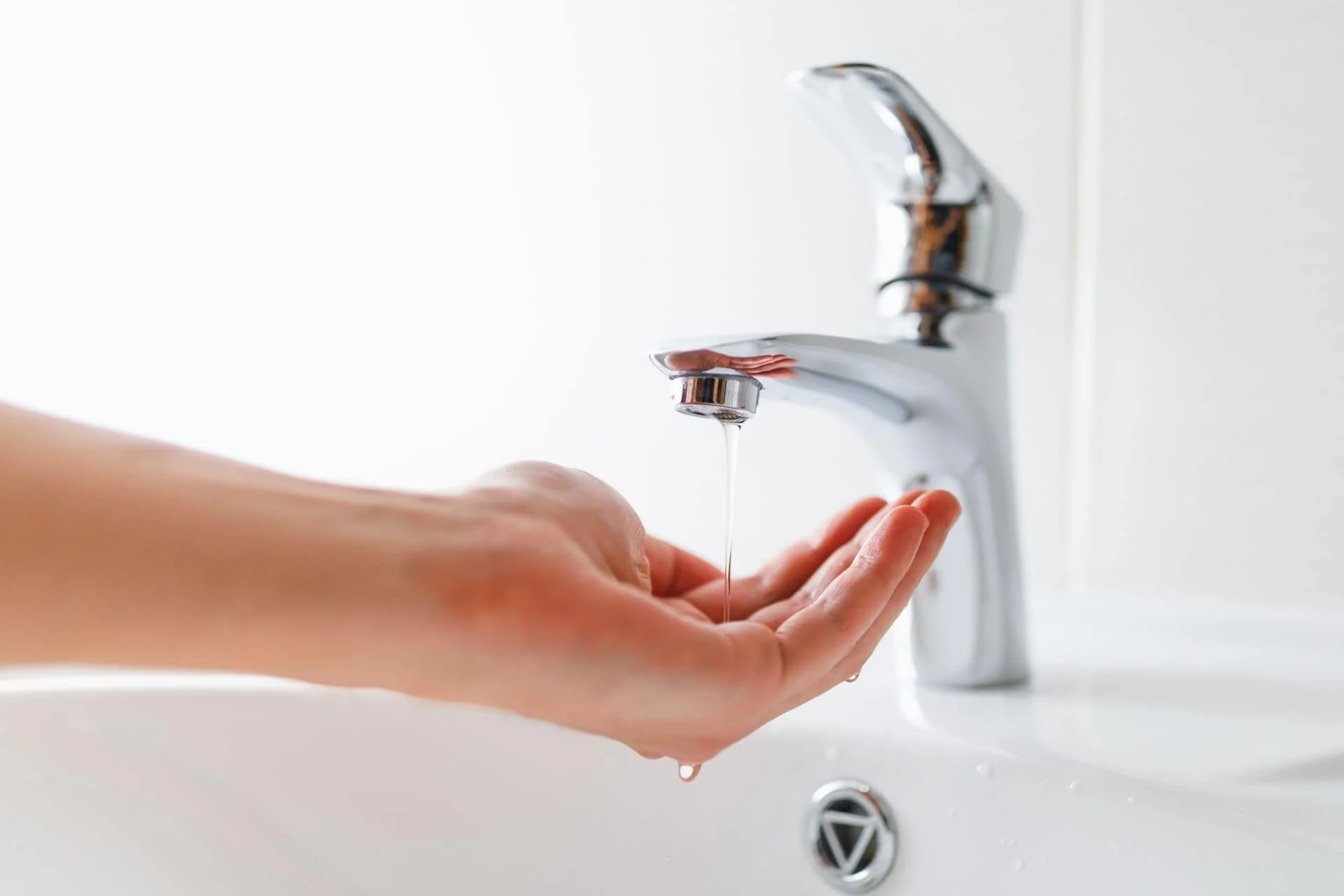
There's a specific kind of frustration that comes with standing under a shower that feels more like a drizzle than an actual shower. Or watching the kitchen faucet take forever to fill a pot. If that sounds familiar, you've probably already tried the obvious things: jiggling the handle, checking the aerator, maybe even Googling it at 11 p.m. Low water pressure can come from a few different places, some of them a quick fix and some of them a sign of something bigger going on behind your walls. The good news is that once you know what to look for, figuring out which one you're dealing with isn't nearly as mysterious as it feels in the moment.
Can Corroded or Clogged Pipes Cause Low Water Pressure?
This is one of the most common culprits throughout Wilmington, NC, especially in older homes here on the coast. Over the years, minerals in the water supply build up inside pipes, and in homes with galvanized steel plumbing, actual rust and corrosion can narrow the inside of the pipe until water barely has room to move through it. It happens gradually, which is part of why it's so easy to miss. You don't wake up one day to no pressure at all; it just creeps down a little more each year until you finally notice the shower isn't what it used to be. If your home was built before the 1980s and still has its original supply lines, this is usually one of the first things we check.
Could a Failing Pressure Regulator Be the Problem?
Most homes on a municipal water line have a pressure-reducing valve where the main line enters the house, and its job is to keep incoming water pressure at a safe, steady level. When that valve starts to fail, pressure can drop across the entire house all at once, sometimes gradually and sometimes seemingly overnight. It's a part that wears out over time like anything else, and when it goes, the fix is usually more straightforward than homeowners expect. A quick pressure test at the regulator tells us right away whether that's the source of the problem.
Is the Problem With the Whole House or Just One Fixture?
This is one of the first questions we ask, because the answer points us in a completely different direction. If just one faucet or shower is weak while everything else in the house runs fine, we're usually looking at something local: a clogged aerator, a partially closed shutoff valve, or a buildup of sediment right at that fixture. If every tap in the house is struggling, the cause is almost always further upstream, somewhere in the main line, the regulator, or the pipes feeding the whole system. Narrowing that down early saves a lot of guesswork.
Can Municipal Water Issues Affect Pressure Inside Your Home?
Sometimes the problem isn't inside your home at all. Water main breaks, scheduled maintenance, or high demand on the local system can all cause a temporary or even ongoing drop in the pressure coming into your house. This is more common than most homeowners realize. According to the American Society of Civil Engineers' 2025 Infrastructure Report Card, the nation still sees roughly 240,000 water main breaks every year as aging pipes reach the end of their design life, and a break anywhere on your street can affect the pressure at your tap even if your own home's plumbing is in great shape. If neighbors are reporting the same issue, or your pressure dropped suddenly with no obvious cause inside the house, this is worth ruling out before anything else.
Could a Hidden Leak Be Behind Your Low Water Pressure?
A leak anywhere in your system, behind a wall, under a slab, or out at an irrigation line, pulls water and pressure away from the rest of the house. It doesn't take a dramatic burst pipe to notice the effect. Even small, slow leaks add up over time, and the EPA's WaterSense program estimates the average household loses around 9,400 gallons of water a year to leaks, often without anyone realizing it's happening. If your water bill has crept up without an obvious reason, or you've noticed pressure dropping gradually rather than all at once, a hidden leak is worth investigating before you assume the pipes themselves are the problem.
When Should You Call a Plumber?
Once you've ruled out the easy stuff like a clogged aerator or a half-closed shutoff valve, it's time to bring in a professional. Pressure testing, leak detection, and inspecting old supply lines all require equipment and experience most homeowners don't have sitting in a garage. This is exactly the kind of thing residential plumbing services are built to handle quickly and correctly the first time. The sooner the actual cause gets identified, the sooner it gets fixed, and the less likely it is to turn into something more expensive down the road.
Solve Your Pressure Problem With Carr and Son Plumbing
Low water pressure is rarely something to just live with, and in most cases, tracking down the cause is a lot faster than homeowners expect once the right person is looking at it. With over 20 years of experience, Carr and Son Plumbing has diagnosed pressure issues across Wilmington, Hampstead, Holly Ridge, and Surf City homes, and we'd rather find the real cause than have you replace fixtures that were never the problem to begin with. If your water pressure has you frustrated, schedule a service call, and we'll get to the bottom of it.
Frequently Asked Questions
-
This usually points to something local to that fixture rather than a whole-house issue. Showerheads collect mineral buildup over time, especially in areas with harder water, and that buildup restricts flow at the head itself. A clogged showerhead is worth cleaning or replacing before assuming anything more serious is going on.
-
It can, especially during storms or extreme heat when demand on the local water system spikes. Coastal storms in particular can affect municipal infrastructure and cause temporary pressure changes that have nothing to do with your home's own plumbing.
-
Not usually on its own. It's more of a signal that something needs attention rather than an emergency in the moment. That said, if low pressure shows up alongside other signs like discolored water, unusual noises in the pipes, or a spike in your water bill, it's worth having it looked at sooner rather than later.
-
It depends entirely on the cause. A clogged aerator might take a few minutes and cost next to nothing, while replacing a failing pressure regulator or old, corroded pipes is a bigger job. That's exactly why diagnosing the actual cause first matters so much before committing to any repair.
