Plumbing Essentials for Your Wilmington Bathroom Remodel
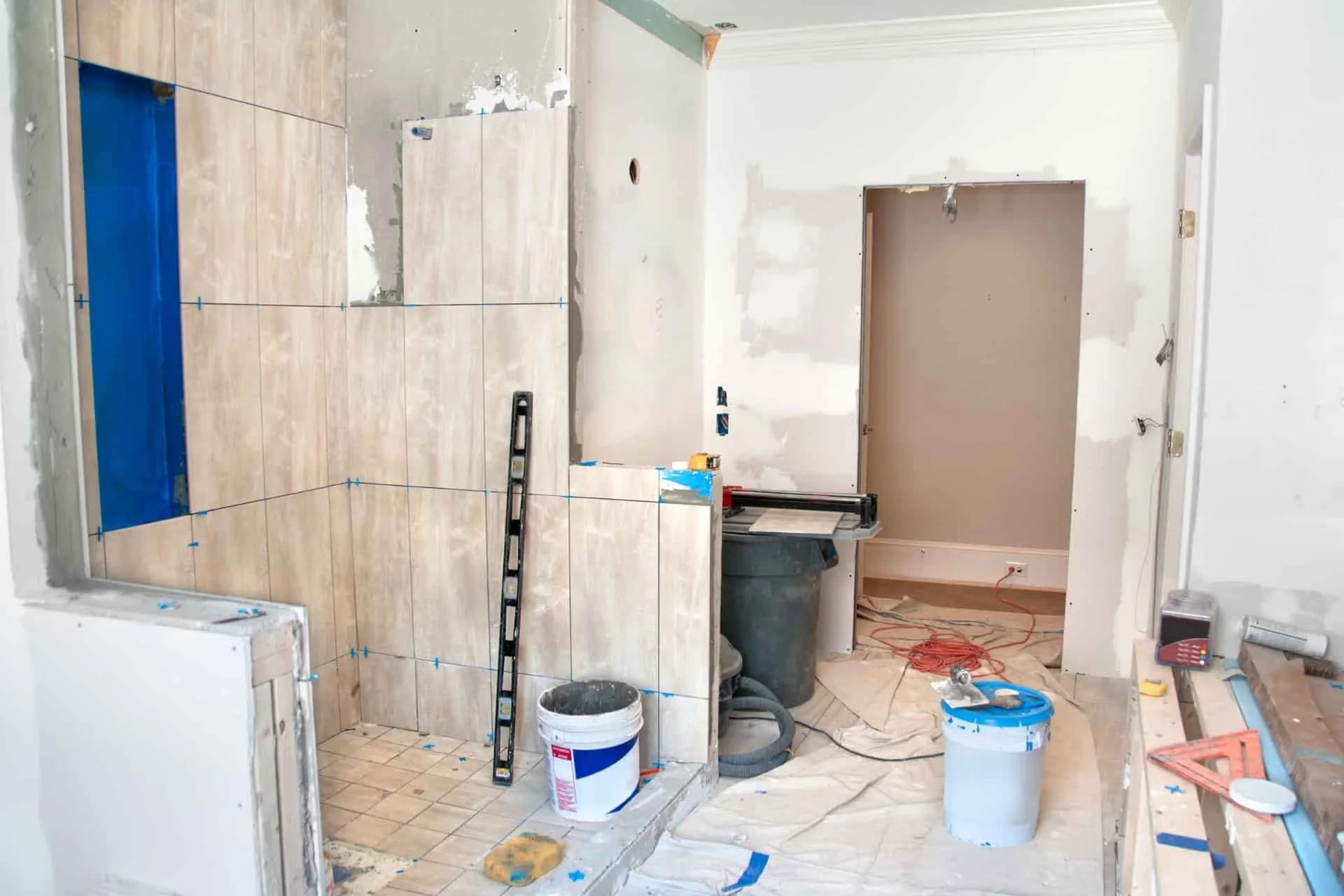
So you have finally decided to tackle that bathroom renovation. Maybe the tile is stuck in 1987, the vanity has seen better days, or you just want a space that feels less like a rest stop and more like a retreat. Whatever the reason, a bathroom remodel is one of the most rewarding home improvement projects you can take on. But before you start pinning inspiration photos and picking out fixtures, there is one thing that deserves your attention before anything else: the plumbing.
Plumbing is the backbone of any bathroom renovation, and in Wilmington, where older homes are common and coastal conditions add their own set of challenges, getting it right from the start can save you significant time, money, and frustration. Here is what every Wilmington homeowner should know before the first tile comes off the wall.
Know Your Plumbing Before Your Bathroom Remodel
The excitement of a renovation can make it tempting to jump straight into demolition. But what is behind your bathroom walls matters just as much as what you are putting on top of them. Before any work begins, it is worth having a plumber take a look at your existing setup.
According to the National Association of Home Builders, bathroom remodeling was the most common home renovation project in the country in 2025, which means plumbers see the full range of what hides behind older bathroom walls every single day. Older homes in Wilmington, particularly those built before the 1980s, may still have galvanized steel pipes that have been slowly corroding for decades. You may not notice the problem until a wall comes down and tells the story for you. The same goes for older drain lines that may have shifted, cracked, or accumulated buildup over the years. Discovering these issues mid-renovation is far more expensive than finding them before you start. A quick inspection by a qualified Wilmington plumber gives you a clear picture of what you are working with and what needs to be addressed before the new stuff goes in.
The Plumbing Reality of Moving Fixtures in Your Bathroom
One of the most common surprises homeowners encounter during a bathroom renovation is the real cost of rearranging things. Swapping out a toilet for a newer model in the same spot is relatively straightforward. Moving that toilet three feet to the left is a completely different conversation.
Drain lines, supply lines, and vent stacks all have to work together in a very specific way. Shifting a toilet, sink, or shower to a new location often means rerouting plumbing lines, which can require opening up floors and walls you were not planning to touch. That does not mean you should not do it. It just means you should plan for it properly and get your plumber involved in the design phase rather than after the fact.
The earlier a plumber is part of the conversation, the fewer surprises you will run into when the project is underway. In fact, the Environmental Protection Agency estimates that the average household wastes nearly 10,000 gallons of water per year due to leaks, many of which originate from plumbing connections that were not properly installed or inspected during a renovation. Getting it right the first time is always the better path.
Using the Right Plumbing Materials is Key
Living along the North Carolina coast has a lot of perks. Easy access to the beach, beautiful scenery, and a lifestyle that is hard to beat. But the salt air and humidity that come with coastal living can be tough on plumbing systems, and that is especially worth considering during a bathroom renovation.
When selecting new fixtures, pipes, and fittings for your renovated bathroom, material choice matters more here than it might in other parts of the country. Copper and PVC are generally solid choices for Wilmington homes, but it is worth having a conversation with your plumber about what makes the most sense for your specific situation. Fixtures with finishes that hold up well to humidity will also serve you better in the long run. Taking the coastal environment into account during your renovation is not overcautious. It is just smart homeownership.
Do Not Forget About Water Pressure and the Water Heater
A bathroom renovation is also a great opportunity to take stock of two things that often get overlooked until they become a problem. Water pressure and your water heater.
If you are adding a new shower system, upgrading to a rainfall showerhead, or installing a body spray setup, your existing water pressure may need some attention to deliver the experience you are expecting. A plumber can assess your current pressure and let you know if any adjustments are needed before your new fixtures go in.
Your water heater is worth a look, too. The U.S. Department of Energy notes that water heating accounts for roughly 18 percent of a home's energy use, making it the second largest energy expense in most households. If your water heater is aging and struggling to keep up, a bathroom renovation is a natural time to evaluate whether an upgrade makes more sense now rather than later. Addressing it during the renovation is almost always less disruptive than dealing with it separately down the road.
Carr and Son Plumbing Gets Your Remodel Right
A bathroom renovation is a big investment, and the plumbing underneath it all deserves the same attention as the tile and fixtures on top. Carr and Son Plumbing has been serving Wilmington and the surrounding areas for over 20 years, helping homeowners navigate renovations of all sizes with honest advice, quality workmanship, and upfront pricing.
Whether you are in the early planning stages or ready to get started, the team at Carr and Son Plumbing is here to make sure your renovation goes smoothly from the pipes out. Contact us today for a quote and let us help you build the bathroom you have been planning.
Frequently Asked Questions
-
Yes. Having a plumber inspect your existing setup before demolition begins can reveal corroded pipes, damaged drain lines, or other issues that are far cheaper to address before the renovation starts than after walls are opened.
-
Moving fixtures like a toilet or sink to a new location requires rerouting drain lines, supply lines, and vent stacks, which often means opening floors and walls beyond the original scope. Costs vary depending on the complexity. Getting a plumber involved in the design phase early helps you plan and budget accurately.
-
Copper and PVC are generally solid choices for Wilmington homes. The salt air and humidity along the NC coast can be tough on plumbing systems, so material selection matters more here than in inland areas. Your plumber can recommend the best options for your specific situation.
-
If your water heater is aging or struggling to keep up with demand, a bathroom renovation is a natural time to evaluate an upgrade. Addressing it during the renovation is almost always less disruptive than dealing with it as a separate project later.
-
A plumber can assess your current water pressure before your new fixtures go in. If you are adding a rainfall showerhead or body spray system, existing pressure may need adjustment to deliver the experience you are expecting.