

How Do You Know If a Pipe Is Leaking Behind Your Wall?
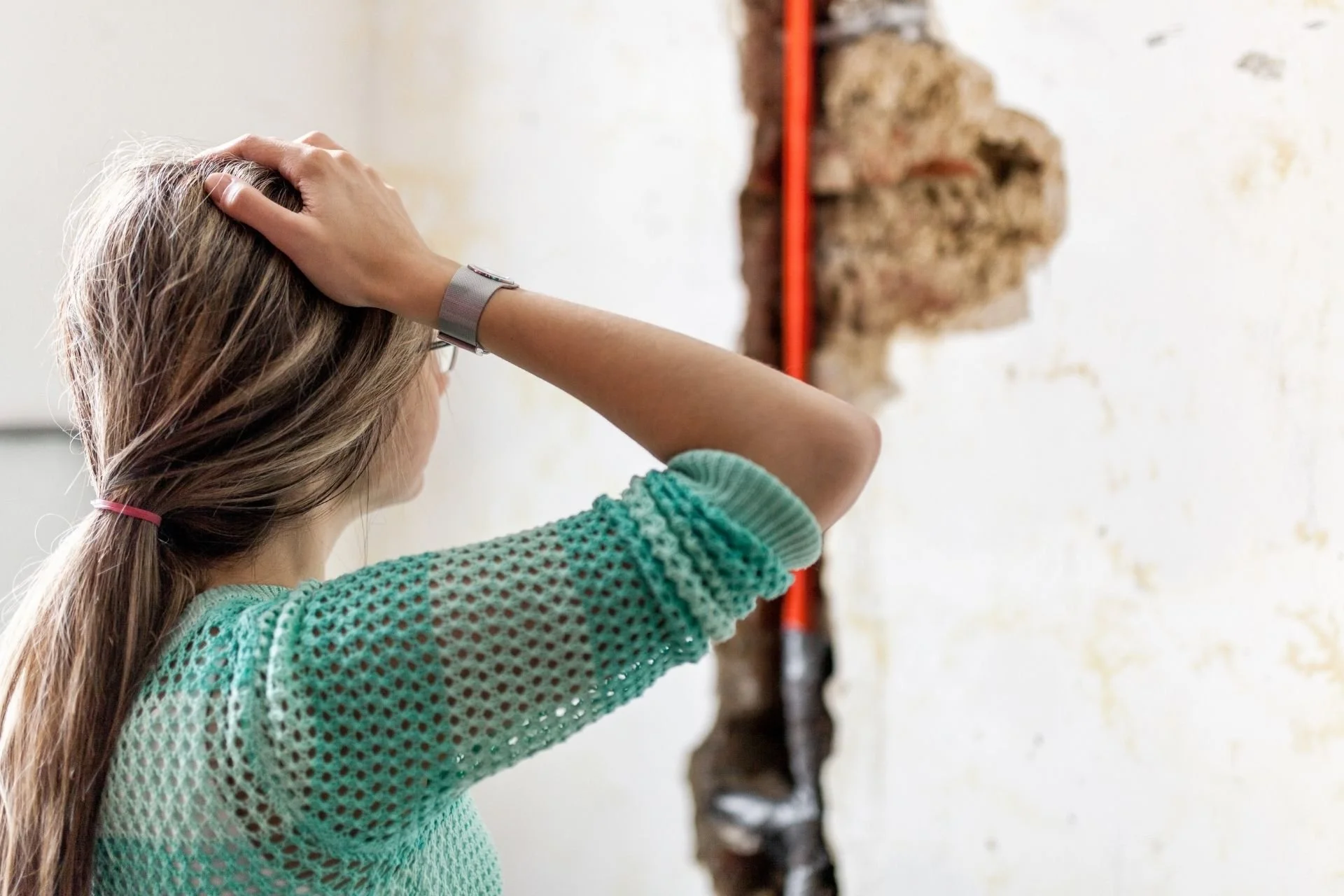
The clearest signs of a pipe leaking behind your wall are a water bill that climbs without an explanation, a musty or damp smell in one part of the house, discoloration or bubbling on the drywall, and a soft or warped spot you can feel when you press on the surface. Because the pipe itself is hidden, these secondary clues are usually what alert homeowners long before any water becomes visible. Catching them early is what separates a simple pipe repair from a much larger drywall, flooring, and mold remediation project.
Here is what to look and listen for, and what to do the moment you suspect a pipe is leaking behind your wall.
Watch Your Water Bill for Unexplained Increases
Your water meter is one of the most reliable clues you have, since it reflects every gallon moving through your home, whether you can see it or not. If your bill jumps and your household habits have not changed, a hidden leak is one of the most common explanations. The EPA notes thathousehold leaks waste nearly 900 billion gallons of water annually nationwide, equal to the yearly household water use of almost 11 million homes. A simple way to check is to shut off every faucet and appliance in the house, note your water meter reading, wait two hours without using any water, then check it again. If the number moved, water is escaping somewhere in your system.
Pay Attention to Smell and Humidity
A musty or damp odor that lingers in one room, closet, or hallway, especially one that does not go away after cleaning, is one of the strongest indicators of moisture trapped inside a wall cavity. Trapped water behind drywall has nowhere to evaporate quickly, so the smell tends to build over days or weeks rather than appearing suddenly. If a specific area of your home consistently feels more humid than the rest, or a mirror or window nearby fogs more than usual, that is worth investigating as well.
Look for Changes on the Drywall or Paint
Visible signs on the wall itself often show up well after the leak has started, which is part of why they matter so much once they appear. Watch for yellow, brown, or gray staining, paint that is bubbling or peeling, or wallpaper that is separating at the seams. Drywall that has absorbed water will often feel soft, spongy, or slightly warped when you press on it, even if the surface still looks mostly normal from a few feet away. A wall that feels warm in one spot, particularly near a hot water line, can also point to a leak.
Listen for Sounds That Do Not Belong
With every faucet and appliance off, a hissing, dripping, or trickling sound coming from inside a wall is one of the more direct signs of an active leak. Some homeowners also notice a change in water pressure at a nearby fixture, since a leaking supply line can rob pressure from the rest of that branch of plumbing. These sounds are easiest to catch late at night or early in the morning when the rest of the house is quiet, and other water use is not masking the noise.
Check for Warped Flooring or Baseboards Nearby
A pipe leaking inside a wall does not always stay contained to that wall. Water can travel down inside the wall cavity and show up as buckling baseboards, cupped or warped flooring near the base of the wall, or a damp spot on the carpet or subfloor a few feet away from where the actual leak started. This is one of the reasons a leak behind one wall can end up affecting an entire room's flooring if it goes unaddressed.
Why Acting Quickly Matters So Much
Time is the biggest factor in how much damage a hidden leak ends up causing. Wet building materials need to be dried within 24 to 48 hours to prevent mold from taking hold, and a leak trapped inside a closed wall cavity rarely gets the airflow needed to dry on its own within that window. That means a leak behind a wall is often already past the point of simple drying by the time it is discovered, which is exactly why a musty smell or a soft spot on the drywall should be treated as a reason to call a plumber, not something to monitor for a while longer.
What Happens During a Leak Inspection?
A plumber investigating a suspected leak behind a wall typically starts by isolating which section of plumbing is affected, often by checking the water meter and shutting off branches of the system one at a time. From there, tools like moisture meters and, in some cases, thermal imaging can pinpoint the exact location of trapped water without opening up the whole wall. Once the source is confirmed, the repair itself is usually limited to a small section of drywall rather than an entire wall, especially when the leak is caught early.
Think You Might Have a Leak Behind Your Wall?
A hidden leak rarely gets better on its own, and the longer it sits, the more it can affect your walls, flooring, and indoor air quality.Carr and Son Plumbing helps homeowners across Hampstead, Holly Ridge, Surf City, and Wilmington track down hidden leaks quickly and repair them with as little disruption to your walls as possible. Visit our website to learn more about our leak detection and repair services, or contact us today to schedule your appointment.
Frequently Asked Questions
-
Yes. Trapped moisture inside a wall cavity often cannot dry within the 24- to 48-hour window needed to prevent mold growth, making mold a common consequence of an undetected leak.
-
It varies by leak, but the EPA notes that a meaningful share of homes have leaks wasting 90 gallons or more per day, which can add up to thousands of gallons before it is ever discovered.
-
Not always, but a warm spot near a known hot water line is worth checking, especially if it appears alongside a rising water bill or a musty smell.
-
No. A plumber can typically use moisture meters and other tools to pinpoint the leak's location before any drywall is removed, which limits the size of the repair.
-
Shut off the water supply to the affected area if possible, avoid using water in that part of the house, and call a plumber promptly rather than waiting to see if the signs go away.
